How to Clean a Refrigerator Safely and Remove Bad Odors
Published: 3 Jan 2026
Opening your fridge and smelling something bad feels annoying. Many people feel confused about where to start and what to clean first. Some worry about using the wrong cleaner or breaking a shelf.
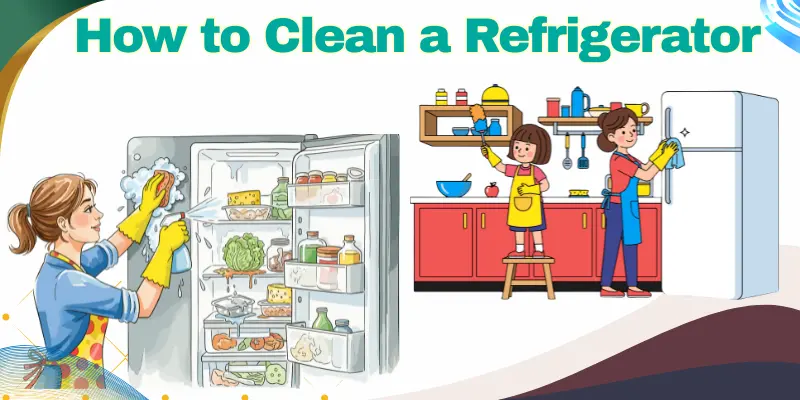
Don’t worry. You are not alone. This guide on how to clean a refrigerator is here to help you. It will walk you through everything calmly and easily. You will get clear, step-by-step help that anyone can follow. No stress. No hard words. Just simple guidance. Ready to make your refrigerator fresh and clean again?
Let’s move on to our article without wasting any time and discuss everything in detail. Let’s start.
What You Need Before You Start
Before you begin, it helps to keep a few basic things ready so cleaning feels easy and stress-free. When everything is nearby, you save time and avoid rushing. You do not need expensive items or special tools to start.
- Soft cloth or microfiber cloth
This wipes surfaces gently and does not leave scratches. It also picks up dust and spills well. - Warm water
Warm water loosens dried food and sticky stains. It makes cleaning faster. - Mild dish soap
This removes grease and dirt safely. It is safe for areas that touch food. - Baking soda
Baking soda helps remove bad smells. It is gentle and safe to use. - Dry towel
A dry towel removes moisture after cleaning. Dry surfaces stop mold and smell. - Basic knowledge: turn off the refrigerator
This keeps you safe while cleaning. It also helps save power.
Step-by-Step Guide: How to Clean a Refrigerator
Cleaning a refrigerator can feel overwhelming if you don’t know where to start. Having a clear plan makes it simple, safe, and quick. This step-by-step guide will show you exactly what to do so your fridge stays fresh, hygienic, and organized.
If your main problem is a bad smell inside the fridge, we have explained the solution in detail. You can also read our complete guide on how to remove bad smell from fridge using simple and natural methods.
Here’s the complete list of steps we’ll discuss in detail:
- Step 1: Turn Off and Empty the Refrigerator
- Step 2: Remove Shelves and Drawers
- Step 3: Clean the Inside of the Refrigerator
- Step 4: Clean the Door and Rubber Seals
- Step 5: Clean the Outside of the Refrigerator
- Step 6: Dry, Arrange Food, and Turn It On
Now, let’s go through each step in detail so you can follow them easily.
Step 1: Turn Off and Empty the Refrigerator
Start by switching off your refrigerator or unplugging it from the wall. This keeps you safe and saves electricity while cleaning.
Next, take out all the food items. Check each item carefully and throw away anything that is expired, spoiled, or has a strange smell. Keep perishable items like milk, meat, or cheese in a cool bag or another fridge if possible while you clean.
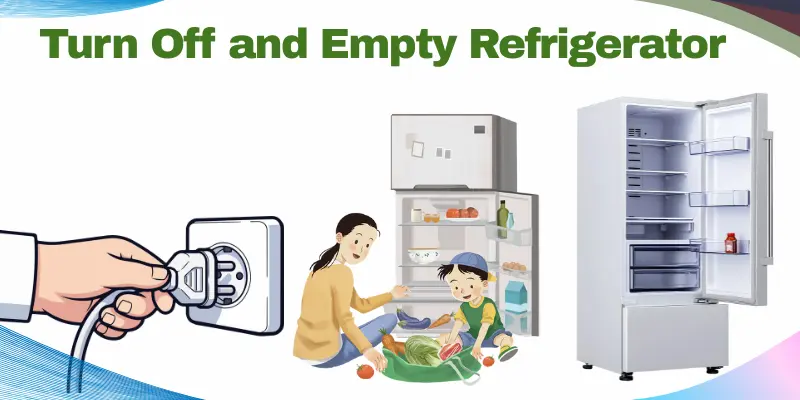
Make sure to remove small items from drawers and door shelves, too. Take your time and don’t rush—handling everything carefully prevents spills and messes.
Example:
Old milk, leftover sauces, or vegetables that have gone bad can cause a strong odor and make cleaning harder. Removing them first makes the fridge fresh and safe to clean.
Step 2: Remove Shelves and Drawers
Carefully take out all shelves, drawers, and trays from your refrigerator. Check that glass shelves or plastic drawers are not stuck before pulling them out to avoid cracking or breaking.
Wash each shelf and drawer with warm water and a little mild dish soap. Use a soft sponge or cloth to scrub away spills, stains, or sticky spots. Avoid using very hot water on cold glass shelves, as sudden temperature changes can cause them to crack.

Rinse everything well with clean water and dry completely with a towel before putting them back. Make sure there is no leftover water, or it can create mold or odors.
Tip:
If some small crevices are hard to reach, use an old toothbrush to clean them properly.
Step 3: Clean the Inside of the Refrigerator
Wipe all walls, corners, and shelf areas with a soft cloth or sponge. Make sure to reach the back, bottom, and hidden spots where crumbs and dirt collect.
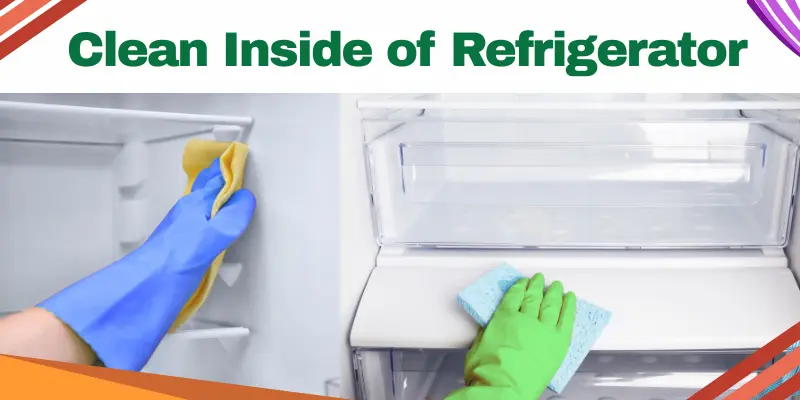
Scrub any spills or stains gently until the surface is clean. For lingering odors, mix a little baking soda with warm water and wipe the inside. This keeps your fridge smelling fresh and hygienic.
Example:
Sauce or juice spills on the bottom shelf can stick and create bad smells if not cleaned promptly.
Step 4: Clean the Door and Rubber Seals
Wipe all shelves and compartments inside the refrigerator door, removing crumbs, spills, or sticky spots. Take your time to reach every corner, including small compartments where food often gets stuck.
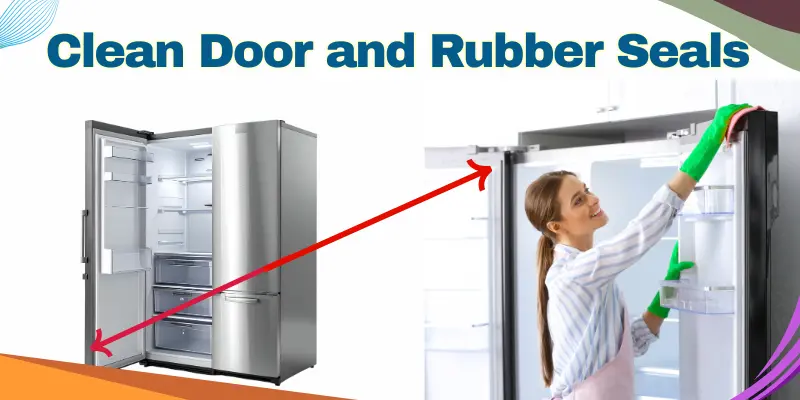
Next, clean the rubber seals around the door using a damp cloth. Gently remove any dirt, crumbs, or residue from the folds. Scrub gently to avoid damaging the seals.
Why It Matters:
Clean rubber seals help the door close tightly. This keeps cold air inside, saves energy, and ensures your food stays fresh.
Step 5: Clean the Outside of the Refrigerator
Start by wiping the front, sides, and top of your refrigerator with a soft cloth and a little warm, soapy water. Make sure to reach all flat surfaces and corners where dust and grease can build up.
Next, clean the handles and other areas you touch often. These spots collect fingerprints, oils, and germs, so pay extra attention. Use gentle pressure to remove marks without scratching the surface.

Example:
Finger marks on the door or smudges on the sides can make your fridge look dirty, even if the inside is clean. Wiping these areas keeps your refrigerator looking fresh and hygienic.
Tip:
If you have a stainless-steel fridge, wipe in the direction of the grain to avoid streaks.
Step 6: Dry, Arrange Food, and Turn It On
Dry all parts of the refrigerator completely with a clean towel, including shelves, drawers, and interior walls. Moisture left inside can cause mold, odors, or damage.
Put all shelves, drawers, and trays back in their proper places. Make sure everything fits securely and is level so nothing tips over.

Arrange your food neatly inside the fridge. Place heavier items at the bottom and lighter items at the top. Always keep raw food separate from cooked food to prevent contamination.
Finally, turn the refrigerator back on or plug it in. Check that it starts properly and that the doors close tightly.
Tip:
Organizing your fridge properly and separating raw and cooked food keeps it hygienic, helps maintain freshness, and makes food easier to find.
Extra Tips and Best Practices
Follow these simple habits to keep your refrigerator clean, fresh, and working efficiently:
- Clean spills immediately – Wipe any liquid or food spills as soon as they happen to prevent stains and odors.
- Check food regularly – Throw away expired or spoiled items every week to keep your fridge hygienic.
- Use airtight containers – Store food in closed containers to prevent spills, odors, and contamination.
- Keep baking soda inside – Place an open box in the fridge to absorb bad smells naturally.
- Don’t overload the fridge – Leave space between items so air can circulate and cooling works properly.
- Clean rubber seals often – Wipe door seals to remove crumbs and dirt, keeping them tight and functional.
- Avoid harsh chemicals – Stick to mild dish soap or baking soda instead of bleach or strong cleaners.
- Dry surfaces completely – Always dry shelves, drawers, and compartments before putting food back.
- organize food wisely – Place heavy items at the bottom and lighter ones on top. Keep raw food separate from cooked food.
- Check temperature settings – Keep the fridge at 37–40°F (3–4°C) and the freezer at 0°F (-18°C) for optimal freshness.
Following these easy tips makes cleaning quicker, prevents problems, and keeps your refrigerator fresh for longer.
Common Problems and Fixes
Even when you follow all the steps, small issues can happen while cleaning your refrigerator. Here are the most common problems and how to fix them easily:
- Fridge still smells bad
Problem: Some spills or old food were missed.
Fix: Remove any remaining spoiled food and wipe the inside again with a baking soda solution. - Shelves or drawers crack
Problem: Sudden temperature changes or rough handling can break them.
Fix: Always use warm, not hot, water and handle glass and plastic parts gently. - Door seals are dirty or sticky
Problem: Dirt in the folds prevents the door from closing tightly.
Fix: Wipe seals carefully with a damp cloth and check for cracks or damage. - Moisture inside the fridge
Problem: Wet shelves or leftover water from cleaning can cause mold.
Fix: Dry everything completely before putting the shelves and food back. - Food freezes or doesn’t stay cold
Problem: The fridge is overloaded, or vents are blocked.
Fix: Rearrange food to leave space for air circulation and check the temperature settings. - Small crumbs or dirt stuck in corners
Problem: Tight spaces are easy to miss.
Fix: Use an old toothbrush or small brush to clean corners, under drawers, and around buttons. - Fridge makes unusual noises
Problem: Items may be blocking vents, or the fridge is not level.
Fix: Rearrange items, make sure shelves are secure, and adjust the fridge feet to keep it level.
FAQs
Cleaning a refrigerator can raise a few extra questions, even after following all the steps. You might wonder which cleaning products are safe, how to remove lingering smells, or why your fridge sometimes smells strange even after cleaning. If you still have any doubts or questions in your mind, we have also included some common questions as a bonus. Let’s go through them, and after that, we will discuss each question in detail so you can have a fully fresh, clean, and odor-free fridge.
List of questions
- Can I use Clorox wipes to clean the inside of my fridge?
- Can Dettol wipes be used in the fridge?
- What spray can I use to clean the inside of the fridge?
- What is the best natural cleaning solution for a refrigerator?
- How do I keep my fridge smelling fresh?
- Why does my fridge stink even after I cleaned it?
- Why does my fridge smell like fish, but no fish?
- How often should you clean your fridge?
Now we will discuss the answer to each question in detail. Are you ready?
Clorox wipes are strong and contain chemicals that can be harmful if they touch your food. It is better to avoid using them inside the fridge. Instead, use a soft cloth with warm water and mild dish soap. This cleans dirt, spills, and stains safely without leaving harmful residues. After wiping, dry all surfaces with a clean towel before replacing the food.
Dettol wipes also have strong chemicals that are not safe for surfaces that touch food. Using them inside the fridge can leave a chemical smell or residue. Use mild dish soap and warm water or a baking soda solution instead. They clean safely and remove germs naturally. Always dry the surfaces completely before placing food back inside.
You can use a mild soap solution made with warm water or a baking soda and water spray. These sprays clean dirt, spills, and sticky spots safely. Avoid sprays that contain bleach, ammonia, or strong chemicals. Spray lightly on a cloth first, then wipe the fridge inside. Always dry the fridge completely after cleaning to prevent mold or smell.
A mixture of baking soda and warm water works best as a natural cleaner. It removes stains, spills, and odors gently and safely. You can also add a little lemon juice for extra freshness. Apply the solution with a soft cloth or sponge and wipe all surfaces. Dry everything completely before putting the shelves and food back.
Keep your fridge smelling fresh by cleaning spills immediately and removing expired food. Place an open box of baking soda inside to absorb bad odors. Store food in airtight containers to stop smells from spreading. Also, clean the rubber seals and shelves regularly. Proper organization and regular cleaning keep your fridge fresh and hygienic.
Your fridge may still smell if food was missed or spills were not cleaned properly. Sometimes the smell comes from hidden areas, like rubber seals, drawers, or the drip pan. Wipe these areas carefully with a baking soda solution. Make sure the fridge is completely dry before adding food. Regular checks prevent bad odors from returning.
A fishy smell can come from strong-smelling foods, like leftovers, cheese, or onions. It may also be caused by bacteria or mold in hidden areas. Clean the fridge thoroughly, including drawers, shelves, and seals, with warm water and baking soda. Keep strong foods in airtight containers. This removes the smell and keeps your fridge fresh.
It is best to clean your fridge every 2–3 months. Wipe spills immediately to prevent stains and odors. Throw away expired food weekly to keep the fridge hygienic. Regular cleaning also helps the fridge work efficiently and keeps food fresh. A little maintenance often is better than deep cleaning too rarely.
Conclusion
By following this guide on how to clean a refrigerator, you have learned how to make your fridge fresh, hygienic, and organized. You now know how to remove old food, clean shelves and drawers, wipe surfaces, and handle tricky spots like rubber seals. You also learned simple tips to keep your fridge smelling good and working efficiently.
Cleaning your fridge regularly not only protects your food but also makes your kitchen more pleasant and healthy. Now that you know the steps, try practicing these tips and keeping a small routine for regular cleaning. You can also explore more ways to organize your fridge or use natural solutions to keep it fresh longer.
With these simple actions, you can feel confident that your refrigerator is always clean, safe, and ready for your food.