Explore the Advantages and Disadvantages of French Door Refrigerators
Published: 28 Sep 2025
When Asad brought home a French-door refrigerator, he was thrilled to finally have a fridge that could fit all the groceries for his growing family. The wide shelves and adjustable compartments made organizing food a breeze. But after a few weeks, he noticed the freezer drawer was harder to keep tidy, and opening the double doors took up more space than he expected. Like Asad, many people are drawn to the convenience and modern look of these refrigerators, but they’re not perfect for every kitchen. Let’s look at the advantages and disadvantages of French door refrigerators to help you make the best choice.
Without wasting time, let’s move on to our article. Are you ready?
Advantages of a French Door Refrigerator
We’ve hidden some amazing benefits of French door refrigerators just for you. These are the points you need to know to decide if this stylish fridge is right for your kitchen. First, we’ll give you a quick list of the key advantages. Then, we’ll take you through each one, step by step, to help you understand why these refrigerators are so popular.
Hey, are you ready? First, let’s look at the list together.
List of 10 Advantages of French Door Refrigerators:
- Extra-Large Storage Space
- Improved Access to Fresh Food
- Flexible Temperature Zones
- Advanced Cooling Technology
- Smart Connectivity and App Integration
- Sleek and Customizable Design Options
- Energy-Saving Benefits
- User-Friendly Layout
- Massive Freezer Storage
- Quiet Operation
Come on, let’s discuss each point together in detail. Let’s get started. Are you ready?
1. Extra-Large Storage Space
French door refrigerators are designed to handle all your storage needs with spacious interiors.
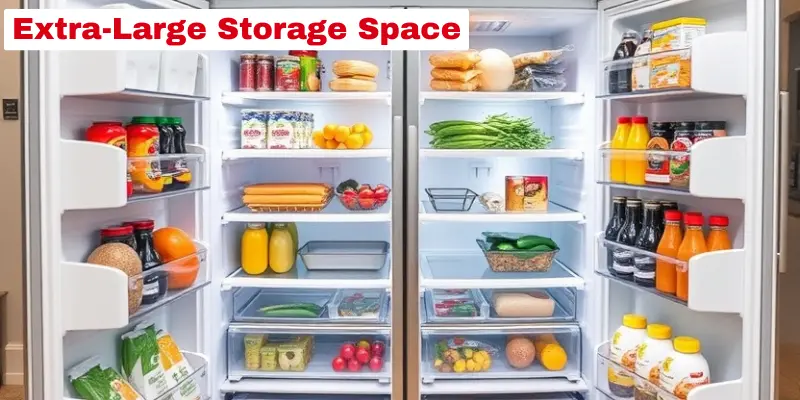
- Wide shelves make it easy to store large items like platters, cakes, and pizza boxes.
- Adjustable compartments allow better organization for groceries of different sizes.
- Door bins are spacious enough to hold gallon jugs, pitchers, and condiments.
- Helps avoid overcrowding, making everything easily visible and accessible.
2. Improved Access to Fresh Food
The layout makes fresh food easily accessible, keeping it at your eye level.
- Full-width shelves let you see and grab items without moving things around.
- Reduces the chance of food going unnoticed or spoiling in the back.
- Perfect for families with kids, as frequently used items are easily reachable.
- Crisper drawers at arm’s length help store fresh fruits and vegetables effortlessly.
3. Flexible Temperature Zones
These refrigerators provide zones with adjustable temperatures for specific needs.
- Dedicated drawers for deli meats, beverages, and snacks maintain their freshness.
- Some models offer temperature settings for wine, cheese, and delicate food items.
- Convertible drawers can switch between refrigerator and freezer settings as needed.
4. Advanced Cooling Technology
Equipped with smart cooling systems to preserve food for longer.
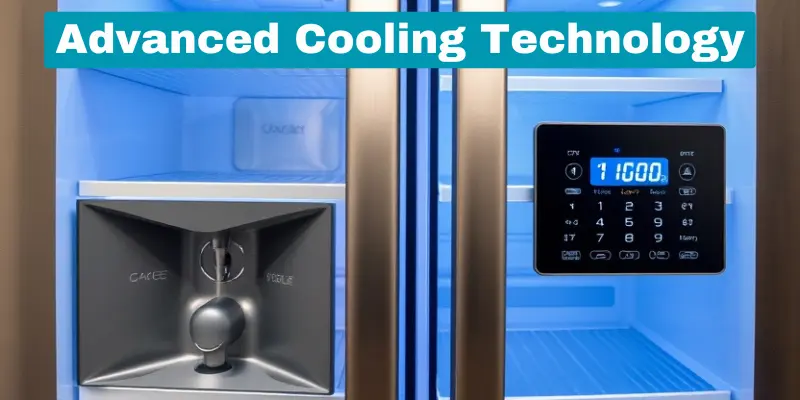
- Multi-airflow technology ensures even cooling across all shelves.
- Keeps items fresh with precision-controlled temperature and humidity levels.
- Reduces frost buildup in freezers, minimizing maintenance.
- Maintains a stable temperature, even with frequent door openings.
5. Smart Connectivity and App Integration
Modern models offer advanced tech features for added convenience.
- Smartphone integration allows you to monitor and adjust the temperature remotely.
- Smart interfaces display diagnostics and usage reports directly on the fridge.
- Voice-assistant compatibility lets you manage your fridge hands-free.
- Some models have internal cameras to check your groceries on the go.
6. Sleek and Customizable Design Options
These refrigerators enhance the look of any kitchen with their elegant style.
- Available in finishes like stainless steel, matte black, or panel-ready designs.
- Some brands offer custom handles for a personalized aesthetic.
- Compact designs for small kitchens and large options for spacious homes.
- Four-door models add an extra storage drawer for convenience and style.
7. Energy-Saving Benefits
Save money on electricity bills with energy-efficient technology.
- Energy Star-certified models consume less electricity while maintaining performance.
- Innovative insulation helps the fridge stay cold with less power usage.
- Helps reduce your carbon footprint by using energy-efficient cooling methods.
8. User-Friendly Layout
The design focuses on making it easy for everyone to use.
- Half-width doors require less clearance to open, perfect for tight spaces.
- The layout minimizes bending, especially for fresh items stored at eye level.
- Easy-to-reach freezer drawers simplify storing and accessing frozen items.
9. Massive Freezer Storage
Bottom-mounted freezers provide ample space for frozen items.
- Deep drawers can hold large frozen items like turkey or frozen pizzas.
- Perfect for organizing boxed foods, frozen meals, or bulk purchases.
- Dividers in some models help keep the freezer neat and clutter-free.
10. Quiet Operation
These refrigerators are quieter than many traditional models.
- Advanced compressors ensure smooth and silent performance.
- Ideal for open kitchens or homes where noise reduction matters.
- Lets you enjoy a peaceful environment without humming or buzzing sounds.

Now that we have learned the pros of French door refrigerators, it’s time to shift our focus to their drawbacks. In the next section, we will learn about the cons of French door refrigerators, which are equally important to consider. This balanced view will help you make the best decision for your kitchen.
Disadvantages of French Door Refrigerators
We’ve kept some important downsides of French door refrigerators hidden just for you. These are the things you need to know to help you decide if this fridge is a good fit for your kitchen. First, we’ll show you a quick list of the main disadvantages, and then we’ll explain each one in detail so you can make an informed choice.
Are you ready? First, let’s look at the list of all these points.
List of 10 Key Disadvantages of French Door Refrigerators:
- High Purchase Price
- Freezer Accessibility Issues (Bending Down)
- Need for Ample Door Clearance
- Potential for Leaks (Water and Ice Maker Issues)
- Space-Consuming Features (Water Dispenser & Ice Maker)
- Complicated Freezer Organization
- Repair and Maintenance Costs (Complex Designs)
- Bulkier and Larger Size
- Higher Energy Consumption
- Limited Fit for Smaller Kitchens or Spaces
Hey, so now we will go through each point in detail together with you. Let’s get started. Are you ready?
1. High Purchase Price
The main disadvantage of French door refrigerators is their high initial cost.

- French door refrigerators are typically more expensive than standard top-freezers or side-by-side models.
- Prices can vary significantly depending on brand, features, and size, with premium models costing considerably more.
- The added cost is often linked to modern features, sophisticated cooling technology, and better materials.
- While the investment is substantial, some may find the long-term benefits (efficiency and longevity) justify the price tag.
2. Freezer Accessibility Issues (Bending Down)
Accessing the freezer can be inconvenient due to the bottom drawer design.
- Freezer drawers at the bottom of the fridge require users to bend over, which can be tiring, especially for older adults or those with mobility issues.
- Finding frozen food at the bottom of the freezer can be challenging due to limited visibility and difficult access.
- Many people find it inconvenient when accessing items like frozen vegetables, ice cream, or meat, which require frequent retrieval.
- Some models have improved this by adding pull-out freezer bins for easier access.
3. Need for Ample Door Clearance
French door refrigerators need more space to fully open the doors.
- The dual-door setup requires enough space on both sides to fully open the refrigerator doors.
- If you’re working with a smaller kitchen or have cabinets and walls close by, this can pose a problem.
- In tight spaces like apartments or galley-style kitchens, you may find yourself unable to open the doors completely.
- It’s essential to measure your kitchen before purchasing to ensure adequate space for the refrigerator doors.
4. Potential for Leaks (Water and Ice Maker Issues)
Water and ice makers can lead to water leaks or damage over time.

- Most French door refrigerators come with a water dispenser or ice maker, but these features are prone to malfunction or damage.
- A damaged water line or clogged ice maker can result in leaks, leading to water pooling inside the fridge or on the floor.
- Leaking can cause mold growth, damage other components, or even create slippery surfaces.
- Regular maintenance and checking of the ice maker and water line can prevent issues, but these units may require occasional servicing.
5. Space-Consuming Features (Water Dispenser & Ice Maker)
While convenient, built-in water dispensers and ice makers can reduce usable space inside the refrigerator.
- French door refrigerators equipped with a water dispenser and ice maker often sacrifice valuable fridge space for these features.
- The water dispenser typically occupies some of the door space, which could otherwise be used for more food.
- Ice makers can take up freezer space, reducing room for larger items like frozen meals or packages.
- You’ll have less flexibility when it comes to organizing larger food items, especially if these features are positioned poorly.
6. Complicated Freezer Organization
Freezer drawers can make organizing frozen food difficult.
- Many French door models feature a single freezer drawer, making it harder to organize food.
- Without pull-out bins, accessing items buried at the back of the drawer can feel like a scavenger hunt.
- Certain models feature two freezer drawers, but that still limits visibility and easy access.
- Additional freezer storage or top freezer alternatives could be better suited for people who store a lot of frozen food.
7. Repair and Maintenance Costs (Complex Designs)
More complex French door refrigerators may come with higher repair costs.
- The sophisticated designs and features of these refrigerators mean that repairing them can be more complicated.
- Advanced components such as touchscreens, smart technology, and multiple sensors may require specialized technicians.
- Service visits for these fridges tend to be costlier than traditional models due to their complexity.
- The added features might also increase the likelihood of needing repairs for individual parts.
8. Bulkier and Larger Size
These refrigerators often take up more space, requiring larger kitchens.
- French door refrigerators are generally larger than top or bottom freezer models.
- Their bulky design can dominate kitchen space, potentially making your kitchen feel crowded.
- They might not fit in smaller kitchens, tight spaces, or where there’s limited room for installation.
- If you have a smaller kitchen, this could create significant inconvenience and even limit movement in the kitchen area.
9. Higher Energy Consumption
Energy usage could be higher with certain features running simultaneously.
- French door refrigerators, especially those with multiple features like water dispensers, ice makers, and smart technology, can consume a significant amount of energy.
- The capacity and size also require more energy to keep items at a consistent temperature.
- In regions with higher energy costs, the additional power consumption might be noticeable in your monthly utility bills.
- Some models feature energy-saving technologies, but on the whole, larger fridges tend to have higher energy requirements.
10. Limited Fit for Smaller Kitchens or Spaces
French door refrigerators may not fit well in kitchens with space limitations.
- Their dual-door design and large size may pose difficulties in compact kitchens.
- Smaller homes or apartments may find these fridges too large and cumbersome for efficient kitchen use.
- You might also face challenges installing them into kitchen cutouts due to their required door clearance and space.
- A top-freezer or side-by-side design might be a better option for those with limited kitchen space.

So, guys, we have gone through the pros and cons of French door refrigerators in detail. If your mind is still not satisfied or you have some questions in your mind, then we have given some very important questions for you in the next section, which will help you know better and make a choice.
So are you ready? Let’s see together.
Questions and Answers about French Door Refrigerators
You’ve seen all the benefits and drawbacks of French door refrigerators. But we know there may still be some things you’re curious about. In this section, we’ll tackle the most common questions people have when deciding whether or not a French-door refrigerator is the right choice for them.
List of Questions:
- What are the disadvantages of French door refrigerators?
- What are the advantages of a French-door refrigerator?
- What is the most common problem with French door refrigerators?
- Do French-door refrigerators use more energy?
- Are French door refrigerators worth the price?
- How much space do I need for a French-door refrigerator?
- Do French door refrigerators have durability issues?
- How long do French door refrigerators typically last?
- Are French door refrigerators hard to maintain?
- What factors should I consider before buying a French-door refrigerator?
- Are French door refrigerators better than side-by-side models?
- Do French door refrigerators have better cooling performance?
- Can you store large items in a French-door refrigerator easily?
Hey guys, now it’s time to discuss each question in detail. Let’s find out together.
French door refrigerators are usually more expensive compared to other styles. They also need more space in front so both doors can open fully. The freezer being at the bottom can be less convenient for people who use frozen food often. Plus, their advanced parts, like ice makers, may need extra maintenance.
These refrigerators are loved for their wide storage space, making it easy to store big dishes and trays. They often come with adjustable shelves and bins for better organization. Many models also include modern features like water dispensers, smart cooling, or humidity controls. On top of that, their stylish design makes them a centerpiece in many kitchens.
One of the most common issues is with the ice maker, which may leak, freeze up, or stop working properly. Some people also report doors not sealing tightly over time. These problems usually come from wear and tear because the fridge has more moving parts. Regular cleaning and checking seals can help avoid most of these issues.
Yes, French door refrigerators can use more energy since they are larger and often include extras like ice makers or dual cooling zones. However, many brands now design energy-efficient models to cut down on electricity costs. Choosing an Energy Star–certified model can make a big difference. Your energy bill will also depend on how often you open the fridge and how full it is.
They are worth it if you want both style and function in your kitchen. The large, flexible storage makes them practical for families or anyone who cooks often. Advanced features add convenience, like filtered water or smart temperature controls. But if you are on a tight budget or have a very small kitchen, another fridge style might be a better choice.
Most French door models need a width of at least 33 to 36 inches. You’ll also need enough clearance in front so the doors can open without hitting walls or counters. Don’t forget to check the depth because built-in and standard-depth models are different. Measuring carefully before buying will save you from installation problems later.
They can be less durable in some areas because of the advanced technology built into them. For example, ice makers, water dispensers, or digital displays may break down faster than simple fridge parts. That said, buying from a trusted brand and following care instructions can make them last longer. Proper cleaning and servicing go a long way in keeping problems away.
On average, they last about 10 to 15 years, which is similar to other large refrigerators. The exact lifespan depends on the brand, how often it is used, and how well it is maintained. Regularly cleaning the coils, replacing filters, and checking the door seals can help extend its life. A good warranty also adds peace of mind for long-term use.
They are not too hard to maintain, but they do need regular care. Wiping the inside shelves and bins keeps them clean and fresh. The seals around the doors should be checked to prevent cold air from escaping. Ice makers may need occasional cleaning to avoid clogs, and cleaning the back coils helps the fridge run more efficiently.
First, think about your kitchen size to make sure it fits properly. Next, look at your budget since these fridges can be pricey. Consider your storage needs—large families will benefit most from the wide shelves and drawers. Finally, check for energy efficiency and brand reputation so you know you’re investing in a reliable model.
French door models give more width in the fridge section, which is perfect for wide trays or large food items. They also tend to look more modern and stylish. On the other hand, side-by-side models usually cost less and fit better in narrow kitchens. Choosing between them depends on your budget, space, and the type of food you store most often.
If you want to know what is the difference between a side-by-side and a French-door refrigerator, we’ve created an in-depth guide just for you. You can read it here:
Yes, many French door fridges come with advanced cooling systems that keep food fresh for longer. Some have dual evaporators, which separate the air in the fridge and freezer to prevent odors from mixing. They also maintain steady temperatures, reducing the chances of food spoiling. These features are especially helpful for storing fresh fruits and vegetables.
Yes, storing large dishes or trays is one of the biggest advantages of this type of fridge. The wide shelves and adjustable compartments make it simple to rearrange space when needed. For example, you can fit a big birthday cake or holiday platter without trouble. This makes them very practical for families who cook or entertain often.
Hey friends, we have a little bonus for you! We’ve covered everything in detail, but we know you’re still eager to know the final result to help you make the best choice. Don’t worry, we’ve prepared it just for you. Let’s check it out together!
Final Thoughts on French Door Refrigerators
So, guys, in this article, we’ve covered the advantages and disadvantages of French door refrigerators in detail. From my experience, I’d recommend you weigh the features you value most, like space and convenience, when deciding. If a French-door fridge fits your needs, it could be an excellent investment. Still have doubts? Go ahead and check out more product reviews to help you make the best choice!
Glad you’re with us till the end of the guide! If you’re interested in another type of fridge, you can read more about bottom freezer refrigerators here: Advantages and disadvantages of bottom freezer refrigerators. Have any questions or feedback? Share them with us in the comments, and be sure to check out our other articles for more useful advice. See you again!