Common Deep Freezer Problems and Simple Ways to Fix Them
Published: 27 Dec 2025
One evening, you open your deep freezer to take out frozen food. You expect it to be hard and fully frozen. But the food feels soft. Water sits at the bottom. You feel confused and worried. Is your freezer working properly? This situation is common in many homes. Small signs like these often show common deep freezer problems that people notice too late.
In this article, we will examine the primary issues that impact deep freezers. We will explain why they occur and how you can easily fix them.
Now, let’s move on and discuss each issue step by step. So, are you ready?
Common Deep Freezer Problems and Their Solutions
Even a small problem in a deep freezer can cause big trouble. Your food may not stay frozen, ice can build up, or the freezer may make strange noises. Many of these issues start quietly, and if ignored, they can spoil food and increase electricity bills. Knowing the main problems early can help you fix them quickly and keep your freezer running well.
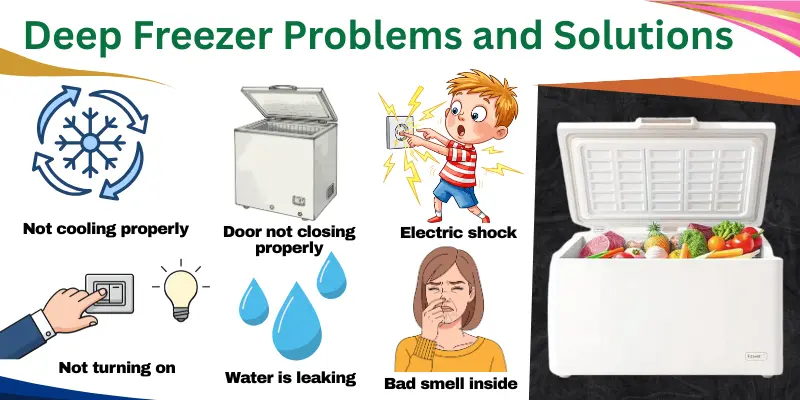
Here are some common problems you may face with a deep freezer:
- Deep freezer not cooling properly
- Deep freezer not turning on
- Too much ice or frost build-up
- The deep freezer is making a loud noise
- Freezer door not closing properly
- The freezer runs all the time
- Bad smell inside the freezer
- Water is leaking from the freezer
- Electric shock when touching the freezer
- Light on, but freezer not cooling
Now, we will discuss each of these problems in detail and see how to fix them easily.
1. Deep Freezer Not Cooling Properly
Sometimes your deep freezer does not keep food fully frozen. Ice cream may be soft, and meat might stay partly thawed. This can happen if the temperature is too high, the back coils are dirty, or the door is not closing tightly. When this occurs, food can spoil faster, and the freezer may use more electricity.
How to Fix It
Here are some simple ways to fix this problem:
- Set the right temperature: Make sure the freezer is at the recommended level.
- Clean the condenser coils: Dust and dirt can block cooling.
- Check the door seal: Ensure the door closes properly.
- Leave space for airflow: Do not overfill the freezer.
Example:
If the meat you stored yesterday is still soft today, it shows the freezer is not cooling properly.
Tip:
Do not overfill the freezer so air can circulate and freeze food evenly.
2. Deep Freezer Not Turning On
Sometimes your deep freezer may not start at all. You press the switch, but there is no sound, and the light inside may not turn on. This problem can happen due to power issues, a loose plug, or a faulty socket. If not fixed, it can spoil your food and cause unnecessary stress.
How to Fix It
Here are some simple ways to solve this problem:
- Check the power supply: Make sure the freezer is properly plugged in, and the socket is working.
- Inspect the plug and wiring: Look for any visible damage to the cord or plug.
- Try another socket: Plug the freezer into a different outlet to see if it starts.
- Use a voltage stabilizer: Protect the freezer from sudden power fluctuations.
Example:
If the light is not turning on and the freezer does not start, it indicates a power or connection issue.
Tip:
Always ensure the freezer is plugged into a stable power source and avoid using damaged sockets or wires.
3. Too Much Ice or Frost Build-Up
Sometimes you may notice thick ice or frost inside your deep freezer. It can cover the walls, shelves, or even the food. This usually happens when the door is opened too often, the seal is damaged, or the freezer is overfilled. Too much ice reduces storage space and makes the freezer work harder, increasing electricity use.
How to Fix It
Here are some simple ways to fix this problem:
- Defrost the freezer: Remove all food and let the ice melt.
- Check the door seal: Make sure it closes properly to prevent warm air from entering.
- Avoid overfilling: Keep space for air to circulate.
- Clean regularly: Wipe away any frost that starts forming.
Example:
If ice keeps building up quickly after just a few days, it shows there is a frost problem.
Tip:
Defrost your freezer regularly and avoid keeping the door open for too long to reduce frost build-up.
4. The Deep Freezer Is Making a Loud Noise
Sometimes your deep freezer can start making unusual or loud noises. This can be constant humming, buzzing, or rattling sounds. It usually happens when the freezer is not level, the fan is blocked, or parts like the compressor or motor are working harder than normal. Loud noise can be annoying and may indicate a problem that needs attention.
How to Fix It
Here are some simple ways to reduce or fix the noise:
- Level the freezer: Make sure it stands evenly on the floor.
- Check for obstructions: Remove any items blocking the fan or vents.
- Clean the coils: Dusty coils can make the compressor work harder.
- Inspect internal parts: If noise persists, a technician may need to check the motor or compressor.
Example:
If your freezer makes a loud buzzing sound even when nearly empty, it could be a problem with the fan or compressor.
Tip:
Keep the freezer on a flat surface and clean the coils regularly to reduce noise.
5. Freezer Door Not Closing Properly
Sometimes the freezer door may not close tightly. This can let cold air escape, causing the freezer to work harder and food to thaw. The problem usually happens when the door seal is damaged, something is blocking the door, or the freezer is overfilled. A door that doesn’t close properly can increase electricity use and reduce cooling efficiency.
How to Fix It
Here are some simple ways to fix this problem:
- Check the door seal: Clean it and make sure it is not damaged.
- Remove obstacles: Ensure no items are blocking the door from closing.
- Do not overfill: Keep some space so the door can close properly.
- Adjust the freezer level: Make sure the freezer stands evenly on the floor.
Example:
If the door keeps popping open even when lightly closed, the seal or alignment may be the issue.
Tip:
Always keep the door clean and avoid overloading the freezer to ensure it closes fully.
6. The Freezer Runs All the Time
Sometimes your deep freezer may keep running without stopping. This can happen even when it seems cold enough. The problem usually occurs if the door is not sealing properly, the temperature is set too low, the condenser coils are dirty, or the thermostat is faulty. A freezer that runs all the time uses more electricity and may shorten its lifespan.
How to Fix It
Here are some simple ways to fix this problem:
- Check the door seal: Ensure it closes tightly to prevent cold air from escaping.
- Set the correct temperature: Avoid setting it too low; follow the recommended level.
- Clean the condenser coils: Dusty coils make the freezer work harder.
- Check the thermostat: Make sure it is working properly; replace it if faulty.
Example:
If the freezer never stops running even when mostly empty, it could indicate a problem with the thermostat, door seal, or cooling system.
Tip:
Regularly check the temperature, clean the coils, and ensure the thermostat is working to prevent constant running.
7. Bad Smell Inside the Freezer
Sometimes your deep freezer may develop a bad smell. This usually happens when food is left inside for too long, spills are not cleaned, or the freezer is not defrosted regularly. A bad odor can make stored food unpleasant and may indicate bacteria or mold growth.
How to Fix It
Here are some simple ways to remove the smell:
- Clean the freezer thoroughly: Remove all food and wipe the interior with warm, soapy water.
- Discard spoiled food: Check all items and throw away anything that is expired or rotten.
- Use baking soda: Keep an open box of baking soda inside to absorb odors.
- Add a sliced lemon: Place a few lemon slices with baking soda for a fresh smell.
- Defrost regularly: Remove ice build-up to prevent odor formation.
Example:
If you notice a strong smell when opening the freezer, it may be due to spoiled food or a dirty interior.
Tip:
Clean spills immediately and keep baking soda with a few lemon slices inside to maintain freshness.
8. Water Is Leaking from the Freezer
Sometimes you may notice water pooling around your deep freezer. This usually happens when the freezer is not level, the drain hole is blocked, or ice is melting inside due to defrosting. Water leakage can make the floor slippery and may indicate that the freezer is not working efficiently.
How to Fix It
Here are some simple ways to fix this problem:
- Level the freezer: Make sure it stands evenly on the floor.
- Check the drain hole: Clean it to allow melted water to flow properly.
- Defrost the freezer: Remove excess ice to prevent water from dripping.
- Check the door seal: Ensure the door closes tightly to reduce ice formation.
Example:
If you see water around the freezer after defrosting, it may be due to a blocked drain or uneven placement.
Tip:
Keep the freezer level, clean the drain hole, and defrost regularly to prevent water leaks.
9. Electric Shock When Touching the Freezer
Sometimes touching your deep freezer may give you a mild electric shock. This usually happens if the freezer is not properly earthed or there is a fault in the electrical wiring. Electric shocks are dangerous and need to be addressed immediately to avoid accidents.
How to Fix It
Here are some simple ways to fix this problem:
- Check the earthing: Ensure the freezer is properly grounded.
- Inspect the plug and wiring: Look for damaged wires or exposed connections.
- Call a professional: If the problem persists, contact a qualified electrician.
Example:
If you feel a shock when touching the freezer, it indicates an earthing or wiring problem.
Tip:
Always ensure the freezer is properly earthed and avoid using it until any electrical faults are fixed.
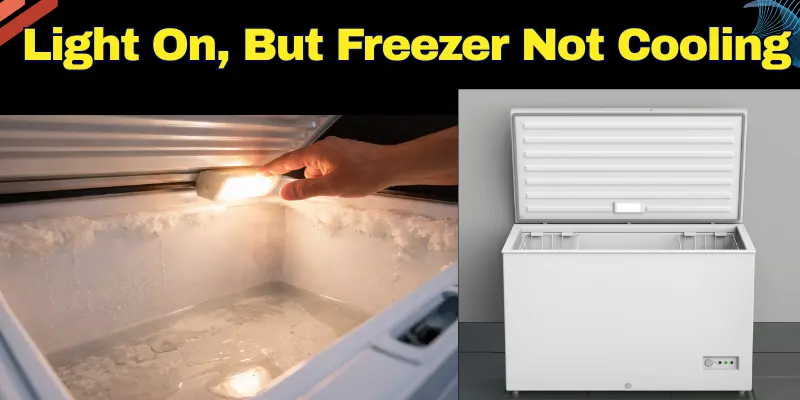
10. Light On, But Freezer Not Cooling
Sometimes the light inside your deep freezer may turn on, but the freezer does not cool. This usually happens due to a faulty compressor, thermostat issue, or electrical fault. If not fixed, food can spoil even though the freezer appears to be working.
How to Fix It
Here are some simple ways to fix this problem:
- Check the thermostat: Make sure it is working properly; replace it if faulty.
- Inspect the compressor: If it’s not running, a technician may need to repair or replace it.
- Check the electrical connections: Ensure all wiring is intact and stable.
- Try a different power source: Make sure the outlet is working correctly.
- Turn off and restart the freezer: Switch it off for 1–2 hours, then turn it back on and check if it starts cooling.
Example:
If the light is on but the freezer is not cooling, it indicates a problem with the compressor, thermostat, or power supply.
Tip:
Check the thermostat and power supply, try turning off the freezer for a couple of hours, and call a technician if the compressor is not working.
Quick Troubleshooting Table
This table helps you quickly identify common deep freezer problems and find easy solutions. You can check it whenever your freezer has an issue.
| Problem | Possible Cause | Quick Solution |
| Freezer not cooling | Wrong temperature setting | Set the correct temperature |
| Freezer not turning on | Power issue, loose plug | Check plug, socket, and power supply |
| Too much ice/frost | The door opened too often, seal was damaged | Defrost regularly, check the door seal |
| Loud noise | Freezer not level, blocked fan | Level the freezer, remove obstructions |
| Door not closing properly | Damaged seal, overfilled | Check and clean the seal, and remove obstacles |
| Freezer runs all the time | Faulty thermostat, dirty coils | Clean coils, check thermostat |
| Bad smell inside | Spoiled food, spills | Clean freezer, use baking soda/lemon |
| Water leaking | Blocked drain, uneven placement | Clean drain, level the freezer |
| Electric shock | Poor earthing, wiring fault | Check earthing, call a professional |
| Light on but not cooling | Faulty compressor/thermostat | Check thermostat, restart freezer, call technician |
You can save this table and keep it handy so it can help you quickly fix deep freezer problems the next time they occur.
When to Call a Technician
Sometimes, even after trying all the fixes, your deep freezer may still have problems. Certain issues are serious and need professional help. Ignoring them can be dangerous and may damage the freezer further.
Signs You Need a Technician
- Freezer still not cooling: If the freezer keeps running or doesn’t freeze food properly even after checking the temperature, coils, and door seals, a technician may be needed.
- Gas leakage signs: Smelling a strange gas or hissing sounds from the freezer is a serious issue. Do not try to fix it yourself.
- Electrical smell or sparks: Any burning or electrical smell indicates wiring or internal faults. Stop using the freezer immediately and call a professional.
Safety Tip:
Do not try gas or electrical repairs at home. Always call a qualified technician to handle serious problems safely.
FAQs
We have prepared a question-and-answer section for you as a bonus. This section will give you further guidance on some common deep freezer issues. Even after reading everything above, if you still have questions, this part will help you understand them better.
Here are some important questions we will cover:
- What causes freezer burn quickly?
- What is the lifespan of a freezer compressor?
- How to stop a compressor from overheating?
- How do I reset a deep freezer?
- How to test if a deep freezer compressor is faulty?
- How to prevent a deep freezer from overworking and using too much electricity?
Now, let’s discuss the answer to each question one by one.
Freezer burn happens when food loses moisture and forms ice crystals on the surface. This usually occurs if the freezer door is opened too often or the food is not stored properly. Poor sealing or overfilling the freezer can let air reach the food, causing freezer burn. While it doesn’t make food unsafe, it can change the taste and texture. Proper storage and sealing can prevent this problem.
A freezer compressor is the part that keeps the freezer cold. On average, a compressor can last about 10 to 15 years if the freezer is used correctly and maintained well. Dirt, dust, or constant overworking can reduce its lifespan. Cleaning the coils and avoiding overloading the freezer helps the compressor last longer. Taking care of the freezer ensures it works efficiently for many years.
A compressor can overheat if the freezer runs continuously or if the coils are dirty. Placing the freezer in a very hot area can also cause overheating. When the compressor gets too hot, it may not work properly and can reduce cooling efficiency. Ensuring proper airflow around the freezer and cleaning the coils regularly can prevent overheating. Keeping the freezer away from heat helps the compressor run safely.
Resetting a deep freezer can help fix minor electrical or thermostat issues. To reset, unplug the freezer and leave it off for one to two hours. After that, plug it back in and turn it on. This allows the compressor and other components to restart. It is important to check the temperature and let the freezer stabilize before putting food back inside.
A faulty compressor may make unusual noises or run constantly without cooling properly. You can listen for humming or clicking sounds to identify a problem. If the freezer stays warm even after hours, the compressor may not be working correctly. Electrical testing can confirm the issue, but it should be done carefully or by a professional. A technician can help determine if the compressor needs repair or replacement.
A freezer overworks when it is overfilled, the door is left open, or the temperature is set too low. Dirty coils or placing the freezer near a heat source can also make it use more electricity. Keeping the freezer clean, organized, and at the correct temperature helps it run efficiently. Avoiding heat and giving the freezer enough space ensures it does not overwork. Regular maintenance keeps electricity use low and protects the freezer’s components.
Final Note
Now the time to say goodbye is almost here, friends.
So, guys, A deep freezer is a must-have for keeping your food safe for a long time, but it can face problems if not maintained properly. In this article, we discussed the most common deep freezer problems, their causes, and easy solutions to help you fix them quickly. We also shared tips on when to call a technician and answered important questions about compressors, freezer burn, and energy use. My simple advice is this: take care of your deep freezer with regular cleaning, proper storage, and timely checks, and it will keep your food fresh and save electricity for many years.
If this article helped you, feel free to leave a comment below and share your thoughts or questions. Also, don’t forget to explore more of our guides on deep freezers, refrigerators, and air conditioners to make the best choices for your home.