What Is an Inverter Air Conditioner? Complete Guide for Home Use
Published: 17 Oct 2025
Have you ever heard someone say an inverter AC is better, but didn’t really understand why? You’re not the only one. Many people get confused by the term and wonder what makes it different from a regular air conditioner. In this guide, we’ll talk about what is inverter air conditioner, how it actually works, what benefits it offers, and when it’s the right choice for your home. By the end, you’ll have a clear and simple understanding of this modern cooling technology.
So, are you ready? Let’s discuss in detail without wasting time.
Definition of Inverter Air Conditioner
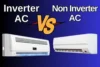
An inverter air conditioner is a type of AC that controls the speed of its compressor motor to adjust cooling. It does not turn the compressor on and off again and again like a normal AC. Instead, it changes the power level to match the room’s temperature needs. This means it can keep the room cool without using too much electricity.
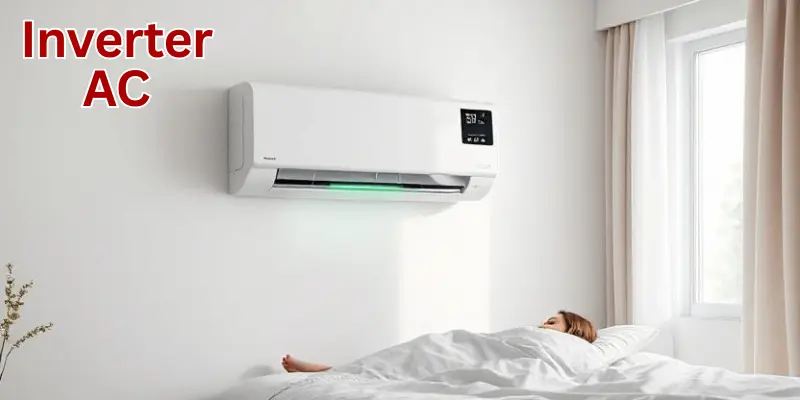
The main part of an inverter AC is the inverter circuit, which manages how fast or slow the compressor runs. Because of this smart control, the cooling feels smoother and more stable. It also helps save energy, reduce noise, and increase the life of the unit. In simple words, it is a modern AC that cools better while using less power.
Importance
Inverter air conditioners have become very popular because they save energy and give better comfort. They are designed to work smartly and last longer than old-style ACs. Let’s look at why they are so important today.
- Save electricity and reduce monthly bills.
- Keep the room temperature steady without sudden changes.
- Work quietly for peaceful sleep and comfort.
- Protect the environment by using less power.
- Last longer because the compressor faces less stress.
- Cool or heat the room faster when needed.
How Inverter Air Conditioners Work
Inverter air conditioners work in a smart way to keep the room cool without wasting power. They adjust their speed instead of turning on and off again and again like old ACs. This helps save energy and gives steady cooling all the time.
- The inverter AC starts by checking the room temperature.
- The inverter circuit controls how fast the compressor runs.
- When the room is hot, the compressor runs faster to cool it quickly.
- Once the room reaches the set temperature, the compressor slows down.
- It keeps running slowly to maintain the same temperature.
- Because it never fully stops, it uses less energy and reduces power loss.
- The result is smooth cooling, lower noise, and smaller electricity bills.
Types of Inverter Air Conditioners
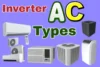
Inverter air conditioners come in different types based on how they are built and where they are used. Each type works on the same inverter technology but serves different needs. Here are the most common types you will find in homes and offices.
- Split Inverter AC: Has two units, one inside and one outside, giving strong cooling and quiet performance.
- Window Inverter AC: A single unit fixed in a window, good for small rooms, and easy to install.
- Portable Inverter AC: Can be moved from one room to another and needs no permanent setup.
- Dual Inverter AC: Uses two rotors in the compressor for faster cooling and extra energy savings.
- Smart Inverter AC: Can connect to Wi-Fi and be controlled using a phone or voice assistant.
For complete details on each type of inverter air conditioners, read our full post.
Advantages and Disadvantages
In this section, we will look at the pros and cons of inverter air conditioners. Knowing both sides will help you decide if it’s the right choice for your home.
Advantages of an Inverter Air Conditioner
Inverter ACs come with many useful benefits that make them better than regular models.
| Pros |
|---|
|
Disadvantages of an Inverter Air Conditioner
Even with many benefits, inverter ACs also have a few downsides to keep in mind.
| Cons |
|---|
|
Want to explore these points in detail? Please read our full guide, Pros and Cons of Inverter Air Conditioners.
Mistakes
In this section, we cover the common mistakes people make when buying or using an inverter air conditioner. Avoiding these small errors can help your AC work better and last longer.
- Choosing the wrong size AC that doesn’t match the room’s area.
- Ignoring regular cleaning and filter maintenance.
- Setting the temperature too low for faster cooling.
- Skipping professional installation or using untrained workers.
- Forgetting to check the star rating and energy label before buying.
- Placing the outdoor unit in a closed or hot area with poor airflow.
- Not servicing the AC before summer starts.
- Leaving doors and windows open while the AC is running.
- Using cheap or low-quality voltage stabilizers.
- Ignoring small repair issues until the AC breaks down completely.
Misconceptions
In this section, we cover the common misconceptions people have about inverter air conditioners. Many of these beliefs are not true and can lead to wrong buying decisions. Let’s clear up these misunderstandings one by one.
- Inverter ACs are not always expensive; they save money in the long run.
- They do not use the same amount of electricity as normal ACs; they use less power.
- Inverter ACs are not only for big rooms; smaller models work well in small spaces too.
- They do not need special wiring in most homes.
- Inverter ACs can run on regular electricity without special settings.
- They are not weaker in cooling; they cool faster and keep the room steady.
- Inverter technology does not wear out quickly; it helps the compressor last longer.
- It’s not true that inverter ACs can’t work in hot areas; most are designed for high temperatures.
- Maintenance is not harder; it just needs regular cleaning and yearly service.
- Inverter ACs are not new or untested; they are widely used and proven reliable.
Best Practices
In this section, we cover the best ways to use and care for your inverter air conditioner. Following these simple habits will help your AC work smoothly, save energy, and last longer.
- Clean the air filters once every two to three weeks.
- Keep the outdoor unit free from dust, leaves, and blockage.
- Set the temperature between 24°C and 26°C for best performance.
- Close doors and windows when the AC is running.
- Use energy-saving or eco mode whenever possible.
- Get your AC serviced by a professional at least once a year.
- Check for unusual sounds or low cooling and fix issues early.
- Ensure the AC has proper wiring and a good power supply.
- Use a stabilizer if your area has frequent voltage changes.
- Keep curtains or blinds closed during the day to reduce heat load.
Future
In this section, we cover how inverter air conditioners are improving and what changes we can expect in the coming years. The future of cooling is becoming smarter, cleaner, and more energy-efficient.
- New models will use more eco-friendly refrigerants that cause less harm to the environment.
- Smart inverter ACs will connect easily with mobile apps and voice control systems.
- Improved sensors will help adjust cooling based on room size and number of people.
- Dual and triple inverter systems will make cooling faster and quieter.
- Solar-powered inverter ACs will become more common in homes.
- AI-based temperature control will help reduce electricity use even more.
- Manufacturers will focus on smaller, lighter, and more stylish indoor units.
- Better energy ratings and global standards will guide buyers toward efficient choices.
- Self-cleaning and auto-diagnosis features will make maintenance easier.
- Future inverter ACs will aim to provide comfort while using the least possible power.
Trends
In this section, we cover the latest trends in inverter air conditioners. These trends show how technology and customer needs are shaping the way ACs are made and used today.
- More people are choosing inverter ACs over traditional models to save energy.
- Smart inverter ACs with Wi-Fi and app control are becoming popular.
- Brands are adding voice control features that work with Alexa and Google Assistant.
- Dual inverter and variable-speed compressors are now common in mid-range models.
- Designs are becoming slimmer and more stylish to fit modern interiors.
- Energy efficiency is improving with higher star-rated inverter ACs.
- Eco-friendly refrigerants like R32 are replacing older, harmful gases.
- Hybrid cooling systems that mix inverter and solar power are gaining attention.
- Noise control technology is improving for quieter operation.
- Consumers now prefer ACs that offer comfort, low bills, and smart control in one package.
Conclusion
So guys, we’ve learned a lot about what is inverter air conditioner how it works, its types, benefits, and even the mistakes to avoid. We also looked at the latest trends and what the future holds for this smart cooling system. If you plan to buy one, I’d recommend going for a good-quality inverter AC with the right size for your room. It may cost a bit more at first, but it will save money and give lasting comfort. Stay tuned, buddies, because more simple and useful home appliance guides are coming your way!